Mentorship
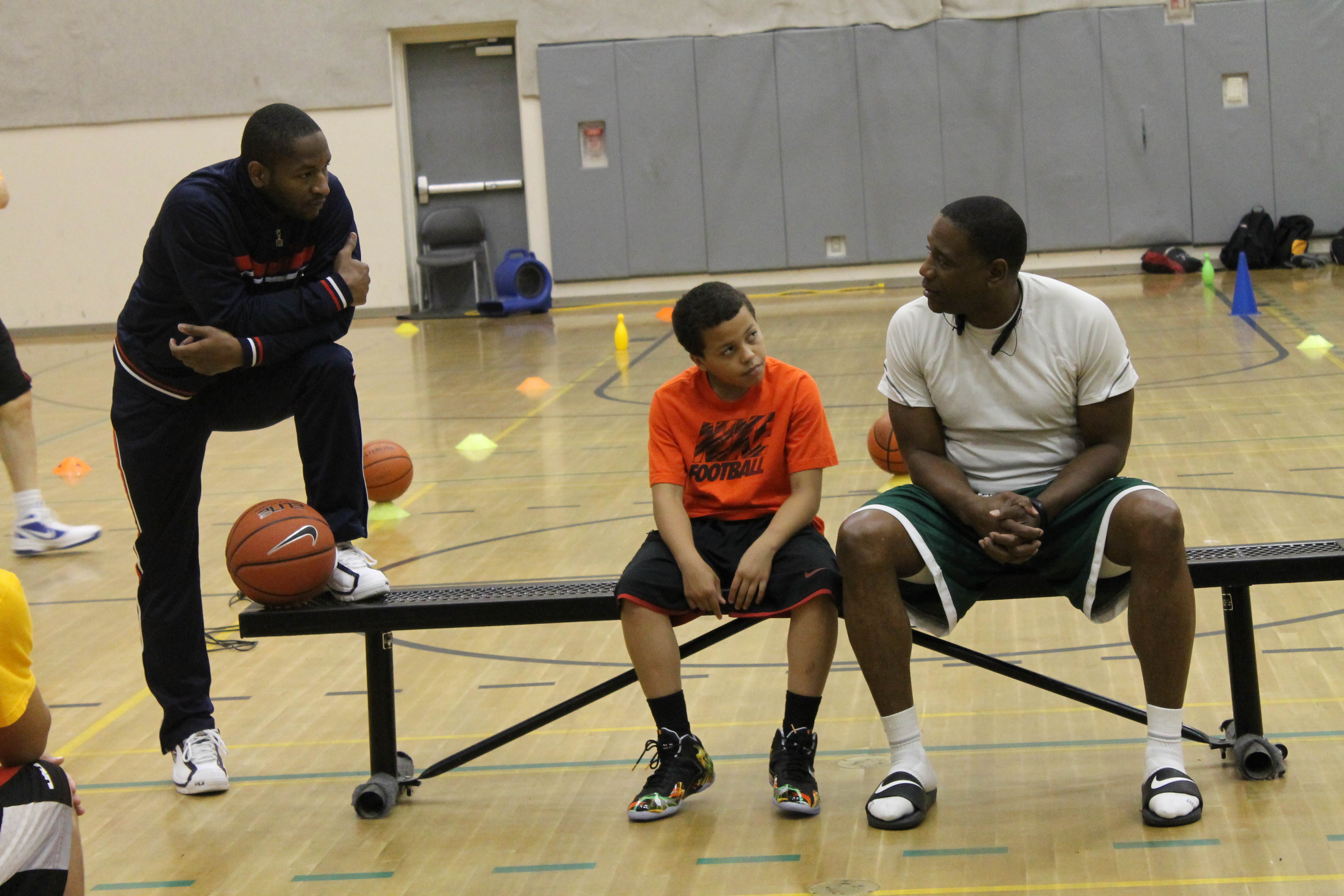
The Mentoring component of the program is designed to address the rise of negative behaviors and actions of our young people, particularly the minority youth. Over the last decade, there has been an increasing number of young African-American, Latino, Hispanic and Asian-American males/females that are joining gangs, participating in violent crimes, dealing drugs and serving more prison sentences. Although pregnancy rates are still high among these groups, teen pregnancy has declined but other negative factors and stressors have increased. The lack of more socially relevant and civic programs tailored for young people of color has contributed to these increases.
The Mentoring program will provide life and leadership skills to young people ages 11-18 to help them with their successful transition into adulthood. Youth will be paired with civic-minded community leaders to serve as mentors to the youth. The mentors will be people of various professional backgrounds such as teachers, ministers, entrepreneurs or anyone currently or formerly from the area that has a vested interest in our community’s youth. Mentors are expected to be positive, professional role models for the youth. Mentors will meet with their mentee once a week during program time visits. The focus and purpose of these visits are to support the mentee in setting goals for the future and assist them in accomplishing those goals.
In addition, there will be a mental health counselor at each site to provide mentorship and mental health counseling to the students we serve and their parents and/or guardians when necessary. The mental health counselor will use a “wrap-around” care approach for the youth and their families, which is designed to enable the youth to progress from the grip of the past so they can move forward with hope for a fruitful future. The mental health counselor will coordinate treatment planning with community organizations, schools, social services agencies and criminal justice agencies. Also, the mental health counselor will use a wide range of counseling modalities, such as art therapy, recreational therapy, individual and group therapy, and family therapy along with workshops and summer camps in athletics, community building, and alternatives to youth gang violence.
The program is designed to increase student’s self-identity, self-esteem and improve their self-efficacy.
Physiological Needs (Healthy Lifestyle)
Most of the youth that has participated in the Drills and Skills program are products of failed social institutions. Millions of dollars have been spent on feeding, housing, educational programs etc., but we have yet to make a dent in addressing the psychological or social needs of the youth we are serving in the community. The misconception is that young people enjoy playing the role of the rebel, outcast or trouble maker. This program believes that young people are looking for the simple things in life. The first is to be loved and the second is to love others. Life circumstances get in the way of the youth experiencing this love, so they look for it in all the wrong places. The goal of this pillar is to help students see how the decisions they make around their physical health, (exercise, diet, drug/use, sleep), psychological/mental health (gang involvement, family life, social relationships) and community attachment/status (community involvement, school impact dream capability) plays a huge part in their personal growth and development.
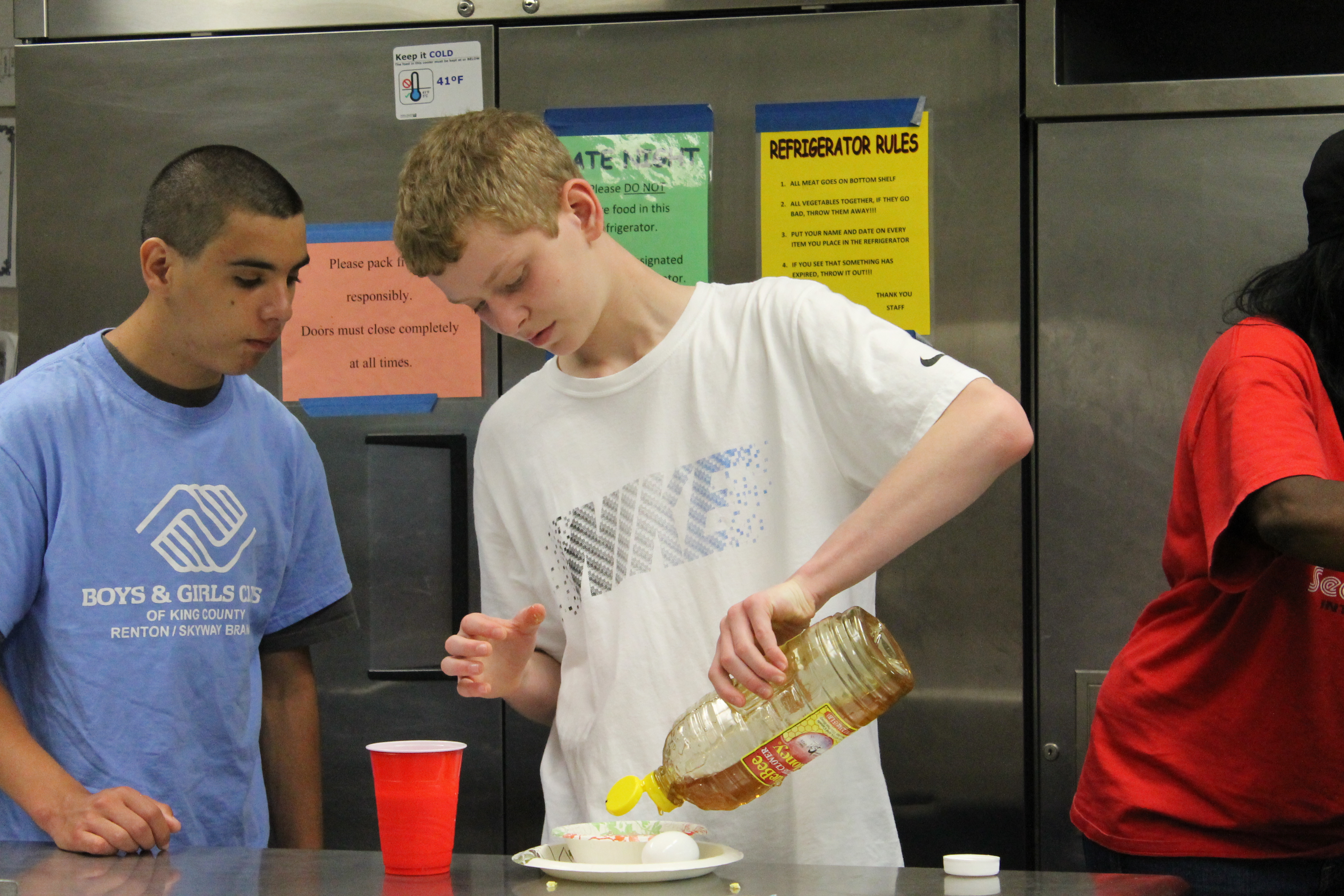
This program understands the link between physical health and the social development of young people. Through small group activities the youth will learn cool ways to live a health lifestyle. The lesson plan will focus on a healthy way of living for youth. Students in the program are encouraged to join a sports team, learn more about what they should be putting in their bodies and the part sleep plays in promoting a healthier life. Physical health promotes positive self-image and is key in developing discipline and confidence in the student we serve.
If all you have seen in your life is hopelessness, gang violence, crime and a lack of parental support, how hard might it be to maintain the mental focus during your teenage years? It’s hard enough to deal with the normal teenage issues like acne, crushes, puberty etc… This program deals with these issues by teaching the students the difference between hopelessness and hopefulness. Through one-on-one dialogue students and instructors discuss new ways of dealing with life issues. The main focus of this activity is to give the students a positive outlook for the future.
The third goal of this lesson plan is designed to build strong community attachment/status. The program teaches the students how to identify the institutions in their community where they can access the support they might need to address their physical and psychological/mental health needs. Through this support they become more connected and proud of their community, seeing it as an asset and not as a deficit. The youth develop a stronger sense of community and are more likely to get involved in community activities.
Understanding Self (Dreams)
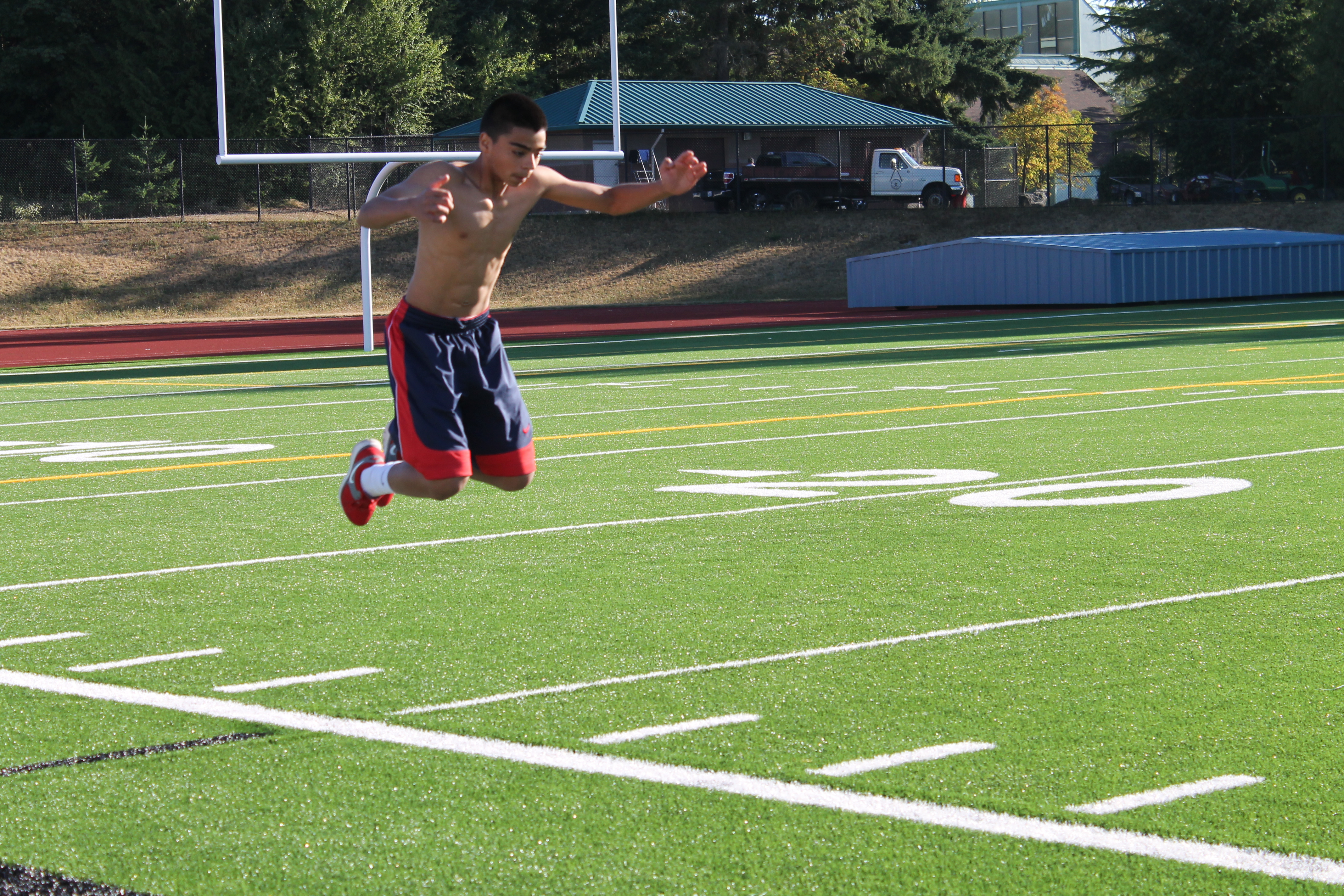
There is a great quote that says “If you fail to plan you are planning to fail” (Benjamin Franklin). The Dreams lesson plan is all about planning, vision and direction for your life. To create a vision for your life one has to have the determination to think outside of the box and believe that you are in control of what happens in your life, therefore putting responsibility back on self. At Drills and Skills we strive to help students identify their core values. Once they have figured these out we have them reflect on the variance between their core values, goals and their present action. The final deliverable for this lesson plan is to teach the students important principles for effective goal setting. Dreams take our students beyond the negative messages they might hear and give them hope that with a vision, hard-work, and dedication they can achieve any dream and to dream as high as they can.
To become what you believe is a powerful thing. To become your values you must first understand and choose your values. The purpose of our first activity is to ask the students to reflect on their life and start the process of understanding their personal identity and defining their values. Students are asked to prioritize the 5 upper-most values in their life. The program believes that understanding your identity and your core values play a key role in choosing a successful career, setting strong goals and having a hopeful future.
Have you ever had a friend or family member that would always correct you on something and then act out the same behavior in front of you without questioning themselves? This type of behavior occurs when your values are not in alignment with your actions. In the first exercise through small group discussion we have students reflect on the values they came up with and then have them measure these values against their actions. Variance is the distance between what you value and what you do.
The next activity in this lesson plan is having our students identify a list of things they want to be (careers) and things they want to do (fulfillments) in life. We then ask the youth to pick one thing from the list and using the activity guide, create both long-term and short-term goals they would have to achieve to reach that career or thing they wanted to accomplish in life.
Positive Identity (Self-esteem)
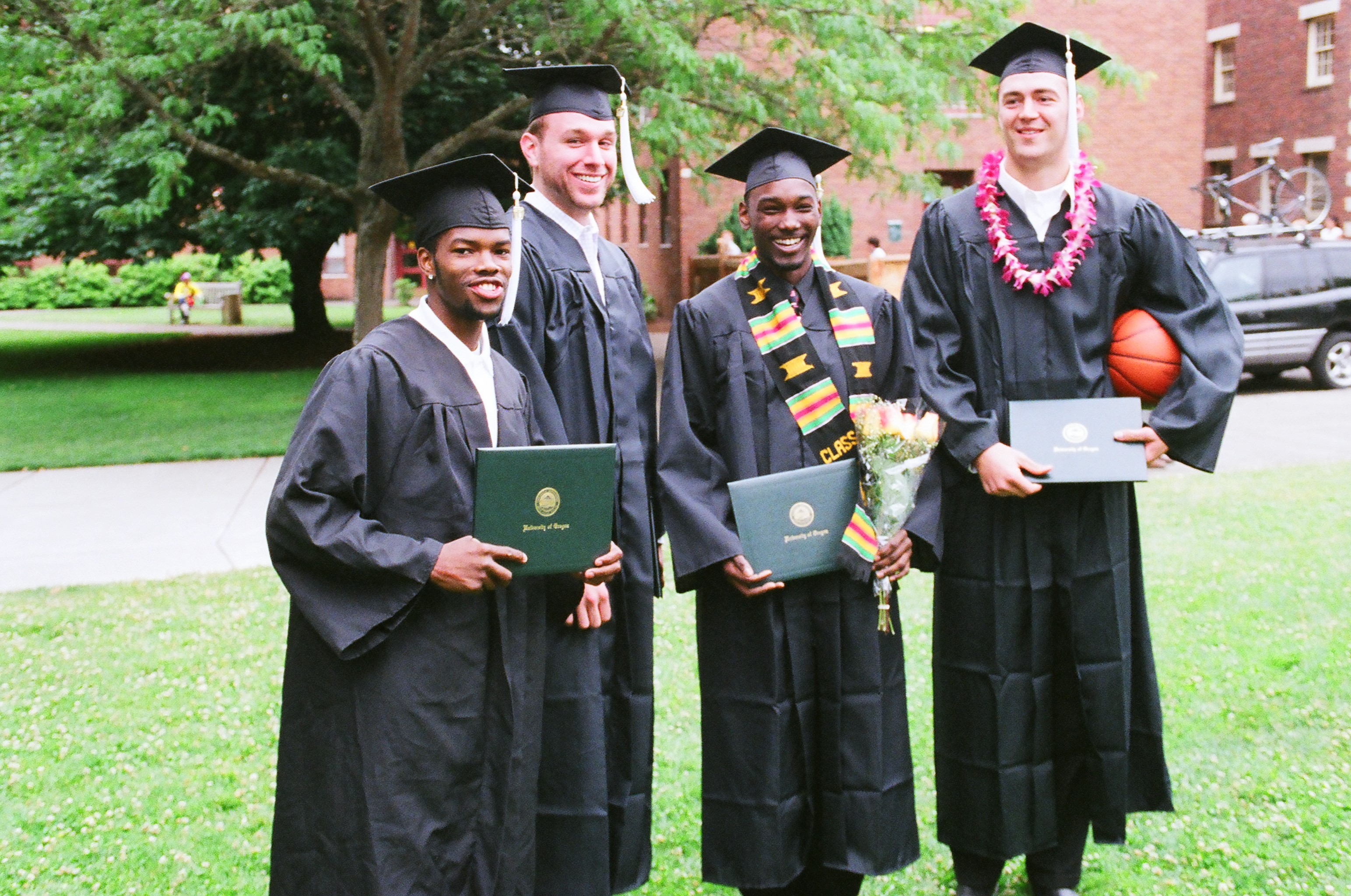
The Drills and Skills program believes that young people who feel valued by others and maintain a good outlook on their personal goals are individuals who are likely to do well in life. The Positive Identity Pillar is designed to teach the youth we serve the importance of having a positive identity, high self-esteem and a valued role in the community. It is amazing what can be accomplished if youth feel good about themselves, believe they can make a difference and have a positive outlook about their future. Having a positive identity is a crucial tool for general life success.
The first step in coaching youth to find a positive identity is to help them understand what it is, its purpose, and its importance. In the program, the idea of positive identity is introduced and explained through hands-on workshops. Through these workshops the youth will learn what positive identity is and what it looks like in others. The youth also will identify their heroes and begin to recognize others’ positive traits that they wish to have themselves.
Once youth grasp the significance of a positive identity, the Drills and Skills program will engage the youth in activities that are designed to increase their self-esteem, which in turn will increase their self-efficacy.
Activities designed to increase self-esteem include leading team activities, biography writing, exploring and sharing unique qualities, and reflecting on these activities at the end of each day. Beginning to build a strong sense of self and gaining practice sharing this with others is a huge step towards having a healthy self-esteem.
In order to truly be open to a positive identity, the youth must have a positive view of their personal future. Youth will become more effective and empowered through discovering they have some control over their lives and their decision-making. The participants learn about constructive and destructive power, and how they can use that knowledge to make better decisions throughout their lives.
Positive identity means that the youth feel comfortable in their own skin, have hope for the future, believe they can make a difference in their world and have a feeling of connection to their family and community.
Self-Empowered (The ability to take control of your life)
The Drills and Skills program promotes self-empowerment as an important and necessary skill to have to become successful in school and life. This program focuses on three qualities; self-dignity, sense of purpose and vision to strengthen its participants’ ability to become more self-empowered in their lives.
The Drills and Skills program believes the first quality of self-empowerment is self-dignity. In addressing this quality, students explore and reflect on their strengths and weaknesses through group activities and personal reflection time. The objective is to have the students learn to understand and appreciate who they are as individuals, identifying their upper-most values, then aligning them with their actions and life Goals. We believe students who respect themselves has more confidence, which increases their ability to accomplish great things in life.
We believe the second quality is linked to confidence; a sense of purpose. Working towards a goal makes life exciting and worthwhile. Many students enrolled in the program suffer from hopelessness. They really want to do well in school and in their social environment but have not previously experienced sustained success in their life. This causes them to search for power in a destructive way. They also suffer from a severe lack of motivation. We are confident that giving our students a sense of purpose will motivate them to re-engage in the learning process and search for power in a more constructive way. We will teach this by having the students reflect on their cultural history, their values, and their chosen purpose in life.
The third quality; vision, focuses on giving the students the ability to see what success looks like to them in the future. To focus on vision is to open the door of pure possibility—the idea that anything can happen. The objective of activities that focus on vision is to teach students how to set goals and write personal positive affirmations based on their goals. After they write their affirmations, we will teach them ways they can constantly reflect on them through activities such as positive self-talk and journal writing.
